Tuesday, November 26, 2024

How to Deal with a Breakup and Embrace a New Chapter of Life

How to Deal with a Breakup and Embrace a New Chapter of Life

Navigating the Dissolution of a Relationship and Embracing Post-Breakup Renewal

The termination of a romantic relationship, regardless of its duration or perceived significance, constitutes a significant life event demanding careful navigation. The emotional upheaval experienced can be profound, encompassing a spectrum of feelings from grief and anger to confusion and uncertainty. However, the process of healing and subsequent personal growth presents an opportunity for profound self-discovery and the commencement of a new, potentially fulfilling chapter in life. This discourse will explore effective strategies for coping with the aftermath of a breakup and embracing the transformative potential inherent within this challenging experience.

Understanding the Emotional Landscape of a Breakup

The initial response to a breakup frequently involves a complex interplay of emotions. These emotions are not necessarily linear; rather, they fluctuate and may even appear contradictory. It is crucial to acknowledge the validity of these feelings, regardless of their intensity or perceived appropriateness.

The Stages of Grief and Their Manifestations

While not universally experienced in a prescribed order, the Kübler-Ross model of grief â€" denial, anger, bargaining, depression, and acceptance â€" provides a helpful framework for understanding the emotional trajectory following a breakup. Denial may manifest as an inability to accept the reality of the separation. Anger might be directed towards the former partner, oneself, or even external factors. Bargaining involves attempting to renegotiate the situation or alter the past. Depression presents as feelings of sadness, hopelessness, and loss. Finally, acceptance represents a gradual integration of the experience and a move towards healing.

Beyond the Five Stages: A Broader Emotional Spectrum

Beyond the established stages of grief, other emotions frequently surface. These include: loneliness, a profound sense of isolation and disconnect; confusion, stemming from uncertainty about the future and one's self-worth; guilt, self-blame, or regret regarding the relationship's demise; and anxiety, encompassing concerns about the future and the process of moving forward. Understanding this broader emotional spectrum facilitates self-compassion and allows for a more nuanced approach to healing.

Strategies for Effective Coping and Healing

Navigating the emotional turbulence following a breakup necessitates a multifaceted approach, encompassing both emotional and practical strategies. Prioritizing self-care and seeking support are essential components of this process.

Prioritizing Self-Care: Nurturing Physical and Mental Well-being

Self-care practices are paramount during this period. This involves prioritizing physical health through adequate sleep, a balanced diet, and regular exercise. Engaging in activities that promote mental well-being, such as meditation, yoga, or spending time in nature, can be particularly beneficial. Furthermore, maintaining a consistent daily routine can offer a sense of stability and predictability amidst the chaos.

Seeking Support: Building a Strong Social Network

Leaning on a strong support network is crucial for navigating the emotional challenges of a breakup. This may involve confiding in trusted friends, family members, or seeking professional help from a therapist or counselor. Joining support groups or online communities can also provide a sense of connection and shared experience, reducing feelings of isolation.

Practical Steps for Moving Forward

In addition to emotional coping mechanisms, taking practical steps to move forward is essential. This includes:

  • Creating physical distance: Removing reminders of the former relationship, such as photographs or shared possessions, can help facilitate the healing process.
  • Focusing on personal growth: Engaging in activities that promote personal development, such as pursuing hobbies, learning new skills, or pursuing educational opportunities, can foster a sense of accomplishment and self-worth.
  • Rebuilding self-esteem: Engaging in self-affirmations, identifying personal strengths, and celebrating accomplishments can bolster self-esteem and foster a sense of self-efficacy.
  • Reframing the narrative: Recognizing the breakup as an opportunity for growth and self-discovery can help to shift perspective and reduce feelings of loss.
  • Seeking professional guidance: Consulting a therapist or counselor can provide valuable support and guidance during this challenging period.

Embracing the New Chapter: Opportunities for Growth and Self-Discovery

While painful, the experience of a breakup presents a unique opportunity for personal growth and self-discovery. The process of healing allows for introspection, leading to a deeper understanding of oneself and one's needs and desires. This newfound self-awareness can pave the way for healthier and more fulfilling relationships in the future.

Rediscovering Identity and Purpose

The dissolution of a long-term relationship often necessitates a reevaluation of one's identity and sense of purpose. This can be a challenging but ultimately enriching process. Taking time for self-reflection and exploring personal interests and passions can lead to the discovery of new goals and aspirations.

Cultivating Self-Compassion and Forgiveness

Extending compassion to oneself is crucial throughout the healing process. Acknowledging the validity of one's emotions, avoiding self-criticism, and practicing self-forgiveness are essential components of self-acceptance and emotional well-being. Forgiveness, both of oneself and the former partner, can be instrumental in releasing negative emotions and fostering inner peace.

Building Stronger, Healthier Relationships

The lessons learned from a past relationship can inform the development of healthier and more fulfilling relationships in the future. Understanding one's needs and boundaries, communicating effectively, and cultivating healthy coping mechanisms are essential for building strong and lasting connections.

In conclusion, navigating the aftermath of a breakup requires patience, self-compassion, and a proactive approach to healing. By prioritizing self-care, seeking support, and embracing the opportunity for personal growth, individuals can not only overcome the emotional challenges associated with relationship dissolution but also emerge stronger, wiser, and better equipped to embrace a new and fulfilling chapter in life.


Monday, November 25, 2024

Does Your Ex Still Think About You? Signs They Are Over You

Does Your Ex Still Think About You? Signs They Are Over You

Does Your Ex Still Think About You? Signs They Are Over You

The breakup is done, the tears (hopefully) have dried, and now you're left wondering: does my ex still think about me? This question can haunt you long after the relationship ends, fueling anxiety and hindering your ability to move on. Instead of agonizing over unanswered questions, focus on identifying clear indicators that your ex has, in fact, moved on. Recognizing these signs will not only bring you closure but also empower you to embrace your future.

Signs Your Ex Has Moved On

While it's impossible to definitively know what's happening inside someone else's head, certain behaviors and actions strongly suggest they've processed the relationship and are looking forward. Don't rely on wishful thinking or interpretations of ambiguous actions; focus on concrete evidence. The following indicators suggest your ex is likely over you and has successfully moved past the relationship.

Limited to No Contact

Consistent absence of contact is a powerful sign. This doesn't mean a brief, polite interaction for logistical reasons (like exchanging belongings) signifies anything. True detachment involves a lack of casual check-ins, attempts to rekindle the flame, or even "friendly" social media interactions. If your ex avoids all forms of contact unless absolutely necessary, it indicates they've successfully distanced themselves emotionally.

They've Deleted You From Their Social Media

While not definitive proof, the removal of your presence from their social media platforms â€" unfollowing, unfriending, or blocking â€" often signals a desire for emotional distance. This isn't about childish games; it's a deliberate act to minimize reminders of the past relationship. Consider it a proactive step towards emotional healing and a clear sign they're moving forward.

They're Dating or Showing Interest in Others

Seeing your ex dating again, or even just expressing interest in other people, is often a significant turning point. This demonstrates a willingness to explore new romantic connections, a clear indication that they’ve accepted the end of your relationship and are ready to move on. While it might sting initially, acknowledge this as a healthy step in their healing process.

They Appear Happy and Content

Observe their overall demeanor. Do they appear happy, content, and engaged in their life? Are they pursuing hobbies, spending time with friends and family, and actively participating in activities they enjoy? If so, it signifies a positive shift in their emotional state, independent of your presence. This suggests they've successfully processed the breakup and are thriving.

What to Do If You See These Signs

Recognizing these signs can be both liberating and painful. Allow yourself to feel whatever emotions arise â€" sadness, relief, anger â€" but don't let them consume you. Use this as an opportunity for self-reflection and personal growth.

Here's what to do:

  • Focus on your own healing and well-being.
  • Engage in activities that bring you joy and fulfillment.
  • Surround yourself with a supportive network of friends and family.
  • Consider seeking professional help if you're struggling to cope.
  • Remember that moving on takes time; be patient with yourself.

Ultimately, focusing on your own journey towards happiness is crucial. Understanding that your ex has moved on allows you to finally close that chapter and begin writing your own, brighter future.

Understanding Your Ex’s Perspective: A Key to Reconciliation

Understanding Your Ex’s Perspective: A Key to Reconciliation

Understanding Your Ex’s Perspective: A Key to Reconciliation

The termination of a romantic relationship, while often painful, does not invariably signify the absolute end. For those yearning for reconciliation, understanding the perspective of their former partner is paramount. This understanding, cultivated through introspection and empathetic consideration, can pave the way for a renewed connection built on firmer foundations. This process, however, requires a significant degree of self-awareness, emotional maturity, and a willingness to confront uncomfortable truths.

The Importance of Perspective-Taking in Reconciliation

Reconciliation is not merely a matter of rekindling old feelings; it's about addressing the underlying issues that led to the separation. Simply wanting the relationship back is insufficient; genuine reconciliation requires a profound understanding of why the relationship faltered in the first place. This necessitates stepping outside one's own emotional landscape and actively attempting to comprehend the experiences and feelings of the former partner. This perspective-taking is crucial because it allows for a more nuanced understanding of the situation, fostering empathy and enabling more constructive communication.

Moving Beyond Self-Blame and Self-Justification

A common pitfall in the aftermath of a breakup is the tendency towards either self-blame or self-justification. Self-blame, while potentially stemming from a genuine desire for accountability, can be detrimental to the reconciliation process. It can lead to feelings of inadequacy and prevent one from recognizing their own needs and contributions to the relationship's demise. Conversely, self-justification, while seemingly protective, prevents honest self-reflection and hinders the ability to identify areas for personal growth.

Successful reconciliation demands a balanced approach. Individuals must acknowledge their own role in the relationship's breakdown without succumbing to overwhelming self-criticism. This involves identifying specific behaviors or patterns that contributed to the problems, understanding their impact on the former partner, and formulating strategies for change. This process is not about assigning blame but about taking responsibility for one's actions and demonstrating a willingness to learn and grow.

Empathetically Considering Their Reasons for Separation

Understanding your ex's perspective necessitates a sincere attempt to comprehend their reasons for wanting to end the relationship. This requires moving beyond assumptions and engaging in active listening, if possible. Consider their stated reasons, but also look for underlying emotions and unmet needs. Were they feeling unappreciated? Did they feel their needs were not being met? Were there fundamental differences in values or life goals that proved irreconcilable?

It's crucial to avoid defensiveness during this process. Listen attentively, without interrupting or formulating rebuttals. Seek to understand their perspective, even if you don't necessarily agree with it. Empathy is key; try to put yourself in their shoes and imagine experiencing the relationship from their point of view. This empathetic understanding can reveal hidden aspects of the situation that might not have been apparent before.

Strategies for Understanding Your Ex’s Perspective

Gaining insight into your ex's perspective is not a passive process; it requires proactive effort and a willingness to engage in difficult self-reflection. Several strategies can facilitate this crucial understanding.

Reflecting on Past Conversations and Interactions

Review past conversations and interactions, looking for recurring patterns or unresolved conflicts. Pay attention to both verbal and nonverbal cues. What did your ex say or do that indicated dissatisfaction or unhappiness? What were your responses? Analyzing these interactions can illuminate underlying issues and provide valuable insight into their perspective.

Seeking External Perspectives

If appropriate and with careful consideration of privacy concerns, seeking the perspectives of mutual friends or family members can offer valuable insights. These individuals may have observed dynamics or interactions that you were unaware of. However, it is crucial to approach this with caution and discretion, ensuring that you're not gossiping or violating trust.

Considering Their Communication Style and Personality

Understanding your ex's communication style and personality is vital. Some individuals express their feelings directly, while others may be more indirect or passive-aggressive. Consider whether their communication style contributed to misunderstandings or misinterpretations. Acknowledging these differences can significantly enhance your understanding of their perspective.

Journaling and Self-Reflection

Journaling provides a valuable tool for introspection and self-reflection. Regularly writing down your thoughts and feelings about the relationship, focusing on your ex's perspective, can help organize your thoughts and gain clarity. This process enables you to identify areas where you may have misjudged or misunderstood their actions or motivations.

The Role of Communication in Reconciliation

Once a deeper understanding of your ex's perspective is achieved, communication becomes crucial for potential reconciliation. This communication must be genuine, respectful, and focused on mutual understanding, not blame or persuasion.

Active Listening and Empathetic Responses

Active listening involves paying close attention to what your ex is saying, both verbally and nonverbally. Ask clarifying questions and demonstrate empathy by acknowledging their feelings, even if you don't necessarily agree with them. Avoid interrupting or becoming defensive.

Honest Self-Reflection and Apologies

If your actions contributed to the relationship's demise, a sincere apology is essential. This apology must not be a mere formality but a genuine expression of remorse and a commitment to change. Be prepared to take responsibility for your actions and demonstrate a willingness to make amends.

Setting Realistic Expectations

Reconciliation is not guaranteed, and it's crucial to have realistic expectations. Even with a profound understanding of your ex's perspective, there's no guarantee they will want to reconcile. Respect their decision, regardless of the outcome.

In conclusion, understanding your ex's perspective is not a guaranteed path to reconciliation, but it significantly increases the likelihood of a successful outcome. By engaging in self-reflection, empathetic consideration, and constructive communication, individuals can pave the way for a renewed connection based on mutual understanding and respect. The journey requires honesty, patience, and a willingness to confront uncomfortable truths, but the potential rewards of a stronger, more fulfilling relationship can be substantial.

Reuniting After Divorce: Considerations and Challenges

Reuniting After Divorce: Considerations and Challenges

Reuniting After Divorce: Considerations and Challenges

Divorce, a legally binding severance of a marital union, often leaves lasting emotional and practical consequences for all involved. While many individuals move on to build new lives, a significant number find themselves reconsidering their decision and seeking reconciliation. Reuniting after divorce is a complex undertaking, fraught with challenges but potentially leading to a stronger, more mature relationship. This exploration delves into the multifaceted considerations and obstacles couples face when attempting to rebuild their lives together after separation.

Emotional and Psychological Factors

The emotional landscape after divorce is often turbulent. Reconciliation requires a profound understanding and willingness to address the underlying issues that led to the initial separation. Ignoring these issues will likely doom any attempt at reunification.

Addressing the Root Causes of the Divorce

Honest introspection is paramount. Couples must engage in open and vulnerable conversations about the reasons for their divorce. This necessitates identifying patterns of behavior, communication breakdowns, unmet needs, and unresolved conflicts. Often, therapy or counseling provides a safe and structured environment for this crucial process. Simply stating "we made mistakes" is insufficient; a deep dive into the specifics is essential for preventing a repeat of past failures.

Overcoming Emotional Baggage

Divorce leaves scars. Feelings of betrayal, anger, resentment, and sadness are common. These emotions must be acknowledged, processed, and addressed before a successful reunion can occur. Individual therapy can help each partner work through these feelings, promoting self-awareness and emotional regulation. Without this processing, unresolved emotional baggage can easily resurface, poisoning the renewed relationship.

Rebuilding Trust and Intimacy

Trust, a cornerstone of any successful relationship, is often irrevocably damaged by divorce. Rebuilding trust requires consistent effort, transparency, and demonstrable commitment. Small acts of kindness, open communication, and honoring commitments, both large and small, can gradually rebuild a foundation of trust. Intimacy, both emotional and physical, also needs careful cultivation. It may require patience and understanding as both partners navigate their feelings and fears.

Legal and Practical Considerations

The legal ramifications of divorce must be carefully considered before any attempt at reconciliation. The legal process itself may present considerable challenges to reunification.

Legal Dissolution of the Divorce Decree

Depending on the jurisdiction, the process of reversing a divorce decree can be complex and time-consuming. Legal professionals specializing in family law are essential in navigating this process, ensuring all necessary paperwork is completed correctly and that all legal requirements are met. The timeframe for this process varies, adding to the complexities of the reunion.

Financial Implications

Divorce often involves complex financial settlements, including the division of assets, property, and debts. Reuniting necessitates addressing these financial implications. A reassessment of financial arrangements, including joint accounts, mortgages, and other shared responsibilities, needs to be undertaken. This often requires renegotiation of existing agreements or the creation of new ones, requiring careful planning and transparency.

Child Custody and Parental Responsibilities

For couples with children, the complexities of child custody arrangements are significant. Any attempt at reunification requires careful consideration of the children’s well-being and their adjustment to the changing family dynamic. Modifications to custody orders may be necessary, requiring legal intervention and often involving mediation or court proceedings. Prioritizing the children's emotional and psychological well-being is paramount in this process.

Maintaining a Successful Reunion

Even with careful consideration and planning, maintaining a successful reunion after divorce demands ongoing commitment and effort. It is not simply a matter of reversing the divorce; it is a process of rebuilding the relationship on a new foundation.

Commitment to Therapy or Counseling

Ongoing therapy or couples counseling is often crucial for maintaining a healthy and stable relationship after reunification. This provides a platform for ongoing communication, conflict resolution, and support in navigating the challenges of a renewed partnership. Regular professional guidance can help prevent past patterns of behavior from resurfacing.

Improved Communication and Conflict Resolution Skills

Effective communication is essential. Couples must learn to express their needs and feelings constructively, practicing active listening and empathy. Developing healthy conflict resolution strategies is equally important, ensuring disagreements are addressed calmly and respectfully, without resorting to destructive patterns of communication.

Shared Goals and Values

A successful reunion requires a shared vision for the future. Couples need to establish common goals, values, and expectations for their relationship, ensuring they are on the same page regarding life decisions, family planning, career aspirations, and personal growth.

External Support Systems

Leaning on supportive family members and friends can provide much-needed encouragement and perspective during the challenging process of reunification. This external support network can offer a sounding board for concerns, celebrate milestones, and provide a sense of community during moments of difficulty. However, it’s crucial to choose supportive individuals who are committed to the couple’s success.

In conclusion, reuniting after divorce is a momentous decision that necessitates careful consideration of both emotional and practical factors. While challenging, a successful reunion is possible with a commitment to addressing underlying issues, rebuilding trust, and proactively maintaining a healthy relationship through ongoing communication, therapy, and a shared vision for the future. It is a journey that demands significant personal investment, yet the potential rewards of a stronger, more resilient union can be substantial.

Winning Back Your Ex Husband: A Roadmap to Reconciliation

Winning Back Your Ex Husband: A Roadmap to Reconciliation

Winning Back Your Ex-Husband: A Roadmap to Reconciliation

Okay, so you’re here because you want your ex-husband back. That takes guts, and honestly, I respect that. It's incredibly brave to face the possibility of rekindling a relationship, especially one that ended. This isn't some magic spell or guarantee, but a realistic, step-by-step guide to navigating this tricky territory. We’ll explore the tough stuff, the hopeful parts, and everything in between. Remember, there's no shame in wanting to try and repair something you once valued.

Understanding Why Things Ended

Before we even think about getting back together, we need to understand *why* things fell apart. This isn't about blame; it's about honest self-reflection. Was it communication issues? Differing life goals? Unresolved conflict? Infidelity? The specifics are crucial. Without understanding the root causes, you're just patching over cracks instead of fixing the foundation.

Honest Self-Reflection is Key

Take some time â€" maybe even weeks â€" to genuinely analyze your role in the breakup. Were there things you could have done differently? Are there patterns of behavior you need to address? This isn't about beating yourself up; it's about identifying areas for personal growth. This growth is vital, not just for reconciliation, but for a healthier you, regardless of the outcome.

Addressing the Underlying Issues

Once you've identified the problems, it's time to actively work on them. If communication was lacking, consider therapy or reading books on effective communication. If differing life goals were a factor, have you re-evaluated your priorities? If infidelity was involved, deep introspection and possibly professional guidance are absolutely necessary. Showing genuine effort in addressing these issues demonstrates to your ex-husband that you’re serious about change.

Reconnecting with Your Ex-Husband

This is where things get tricky. The goal isn't to bombard him; it's to establish a healthy, respectful connection. Start small, and respect his boundaries. If he’s clearly not receptive, back off.

The Importance of Respectful Communication

Avoid accusatory language or emotional outbursts. Keep your communications brief and focused on positive, neutral topics. Perhaps a simple text checking in ("Just thinking about you. Hope you're having a good week.") can be a good starting point. Keep the tone light and friendly, focusing on shared memories or common interests.

Rebuilding Trust

Trust is paramount in any relationship, and rebuilding it after a breakup takes time and consistent effort. Be patient and understanding. Actions speak louder than words. Be reliable, consistent, and follow through on your promises. Don’t pressure him; let trust rebuild organically through your consistent positive actions.

Giving Him Space (and Yourself)

This is crucial. He needs space to process his emotions, and so do you. Trying to force reconciliation will likely backfire. Respect his need for distance. This doesn't mean giving up; it means giving him (and yourself) the time and space to heal and reflect.

Focus on Self-Care

While you're focusing on your ex-husband, don't neglect yourself. Engage in activities that bring you joy and help you grow as a person. Exercise, spend time with loved ones, pursue hobbies, and nurture your own well-being. A happier, healthier you is more attractive and better equipped for a healthy relationship.

The Potential for Reconciliation

There’s no guarantee that you'll win your ex-husband back. Be prepared for the possibility that he might not be receptive or that reconciliation might not be the best outcome for either of you. Accepting this possibility beforehand allows you to approach the process with more grace and less disappointment.

Signs of Potential Success

Look for positive signs: Does he engage in conversation? Does he seem open to hearing about your personal growth? Does he initiate contact? These are all encouraging signals. However, don’t misinterpret politeness or courtesy as romantic interest.

Acceptance of a Different Outcome

Ultimately, even if you put in the work and effort, your ex-husband might not want to reconcile. This is painful, but it's important to accept his decision with grace and dignity. Remember that you deserve happiness, whether it's with him or someone else. This journey is about self-growth and finding peace, regardless of the romantic outcome.

Seeking Professional Help

Consider couples counseling, even if it's just for you initially. A therapist can provide a safe space to process your emotions, develop healthier coping mechanisms, and learn effective communication strategies. Individual therapy can be equally beneficial for personal growth and self-discovery.

Frequently Asked Questions

  • How long should I wait before contacting him? There's no magic number. Allow enough time for both of you to process the breakup and for you to work on yourself. A week or two of no contact is usually a good starting point, but it depends on the situation.
  • What if he’s dating someone else? This is difficult, but it doesn’t necessarily mean all hope is lost. Focus on yourself and showing him that you've grown and changed. However, respect his relationship and don't interfere.
  • Should I apologize? If you feel you genuinely need to apologize for your part in the breakup, do so sincerely and without expecting anything in return. A genuine apology is powerful, but it’s not a guarantee of reconciliation.
  • What if he rejects me? Accept his decision with grace. It's painful, but you've done your best. Focus on your own healing and growth. Remember you deserve happiness, regardless of the outcome.
  • How do I know if it’s worth trying? Only you can answer that. Consider the positive aspects of the relationship, the potential for growth and change, and your willingness to put in the effort. Be honest with yourself about your expectations and hopes.

Remember, this journey is about self-improvement and finding peace. Whether you win your ex-husband back or not, you'll emerge stronger and wiser. Good luck!

Sunday, November 24, 2024

How to Create New Memories Together with Your Ex

How to Create New Memories Together with Your Ex

Creating New Memories with Your Ex: A Guide to Navigating Tricky Territory

Okay, so you and your ex are…talking again. Maybe you're friends, maybe you're exploring something more, or maybe you're just figuring things out. Whatever the case, the idea of making *new* memories together can feel both exciting and terrifying. It’s a delicate dance, right? You’ve got a shared history, possibly a lot of baggage, and the ever-present ghost of "what could have been" lurking in the background. But if you're both on board and approaching this with maturity and honesty, creating new, positive memories is absolutely possible. This guide is all about navigating that tricky territory, offering advice and strategies to make it work.

Understanding the Landscape: Why and How?

Before diving into the specifics, let's talk about *why* you might want to create new memories with your ex. It’s crucial to have a clear understanding of your motivations. Are you hoping to rekindle the romance? Are you trying to build a healthier friendship? Or are you simply seeking closure and a way to move forward positively, even if it's not together romantically?

The "how" is just as important. Honest communication is key. You need to openly discuss expectations and boundaries. What are you both comfortable with? What are your limits? This isn't about tiptoeing around sensitive issues â€" it's about being upfront and creating a safe space for both of you to explore this new dynamic.

Small Steps, Big Impact: Starting Slow and Steady

Don't jump into anything too intense right away. Think of it like slowly warming up before a workout â€" you don't want to pull a muscle! Start with casual, low-pressure activities. This will allow you to gauge your comfort levels and see how you interact without the added pressure of a big event.

Casual Hangout Ideas:

  • Grabbing coffee or a casual drink.
  • Catching a movie (preferably one you both want to see!).
  • Going for a walk or hike in a scenic location.
  • Attending a local event like a farmers market or concert (something that distracts from the pressure of one-on-one conversation).
  • Playing a board game or video game â€" a bit of friendly competition can be fun!

The goal here isn't to recreate past romantic dates, but to create new experiences that build positive associations with each other in this new chapter.

Rediscovering Shared Interests and Finding New Ones

Think back to the things you enjoyed doing together before. Did you have a favorite restaurant? A go-to hiking trail? Revisit those places and activities, but with a fresh perspective. The familiarity can be comforting, but approach it as a chance to create *new* memories within that familiar setting.

Even better, try something entirely new together. This could be anything from taking a pottery class to learning a new language to volunteering for a cause you both care about. Shared experiences, especially those that involve learning and growth, build a strong bond. It allows you to witness each other in a different light, outside the context of your past relationship.

Remembering the Past, Embracing the Present

It's impossible to ignore the past, especially when you’re sharing memories with an ex. However, the focus should be on the present and the future. Don't dwell on the negative aspects of your past relationship. Instead, acknowledge the good times, but use them as stepping stones to build something new and better, even if it's just a stronger friendship.

If painful memories or unresolved issues surface, address them openly and honestly. But don't let them dominate your interactions. This requires a level of emotional maturity and self-awareness from both parties. Be willing to listen, empathize, and forgive â€" both yourselves and each other.

Setting Boundaries and Managing Expectations

This is absolutely crucial. What are you both looking for? A friendship? Something more? Being upfront about your expectations (and your limits) prevents misunderstandings and hurt feelings down the road. If you're not on the same page, you need to address it early on, before things get too complicated.

Establish clear boundaries regarding physical intimacy, emotional vulnerability, and communication frequency. Respect each other's needs and boundaries â€" this is the foundation of any healthy relationship, whether romantic or platonic.

When to Re-evaluate: Knowing When to Step Back

Sometimes, despite your best efforts, creating new memories with an ex might not work. It's okay to acknowledge that and step back if it becomes too painful, confusing, or unproductive. If you find yourselves constantly revisiting old hurts or if the interactions leave you feeling more drained than fulfilled, it’s time to reassess the situation. Your emotional well-being is paramount.

Remember, it's okay to prioritize your own healing and happiness. Creating new memories shouldn't come at the cost of your mental health. If it feels unhealthy, it probably is.

Frequently Asked Questions

Q: Is it possible to be friends with an ex after a breakup?

A: Yes, absolutely! But it takes time, effort, and a willingness from both parties to build a healthy friendship. It’s not always possible, and that’s okay too.

Q: What if my ex wants something more than I do?

A: Honest and open communication is key. Clearly state your feelings and boundaries. Be respectful, but firm. You can’t force a relationship, and you shouldn't feel pressured to do so.

Q: How do I deal with the potential awkwardness?

A: Acknowledge the awkwardness. Humor can help! But mostly, focus on creating a comfortable and relaxed atmosphere. Starting with casual activities can help ease the tension.

Q: What if we start creating new memories and it reignites romantic feelings?

A: That’s a possibility, and it’s something to be aware of going in. If it happens, be honest with yourselves and each other about your feelings and be prepared to deal with the potential complexities that may arise.

Q: Should I tell my current partner (if I have one)?

A: This depends entirely on your relationship and your comfort level. Transparency and honesty are crucial in any relationship, so consider the implications of your actions and whether or not you feel it is essential to inform your current partner.

Ultimately, creating new memories with your ex requires careful consideration, open communication, and a healthy dose of self-awareness. It's a journey, not a race, and it's perfectly acceptable to take things slow, set boundaries, and prioritize your own well-being throughout the process. Good luck!

Why You Shouldn’t Text Your Ex Girlfriend (And When It Might Be OK)

Why You Shouldn’t Text Your Ex Girlfriend (And When It Might Be OK)

Why You Shouldn’t Text Your Ex-Girlfriend (And When It Might Be OK)

Okay, let's be real. Breaking up sucks. Whether you were the one who initiated it or she was, that post-breakup period is a rollercoaster of emotions. And one of the biggest temptations? Texting your ex-girlfriend. Before you even think about hitting that send button, let's talk about why this is usually a terrible idea, and the few, very specific exceptions.

The Overwhelming Reasons to Resist the Urge

Seriously, most of the time, texting your ex is a recipe for disaster. Think about it: what good can possibly come from it? Nine times out of ten, you’re going to end up feeling worse than you did before you sent that message.

Reopening Old Wounds

Breakups are painful. They leave wounds, and even if you’re feeling better, those wounds are still fresh. Texting your ex risks reopening those wounds, reminding you of the hurt, the anger, the disappointment. It's like picking at a scab â€" it might feel momentarily satisfying, but it ultimately prolongs the healing process and increases the risk of infection (metaphorically speaking, of course!).

Fueling False Hope

You might be clinging to a sliver of hope that things can be salvaged. That’s understandable, but texting her fuels that hope, often in an unrealistic way. Even a seemingly innocent text can be misinterpreted as a sign that you’re still interested, leading her (and you) down a path of false hope. This can lead to more heartache for both of you in the long run.

Obsessing Over Her Response (or Lack Thereof)

Let's be honest, you'll be glued to your phone waiting for a reply. Every notification will send your heart racing. The anticipation, the potential for rejection, the overanalysis of every single word…it’s a recipe for anxiety and emotional exhaustion. You deserve better than to put yourself through that kind of mental torture.

Hindering Your Healing Process

Moving on requires time and space. Contacting your ex prevents you from properly processing the breakup and moving forward. You need to focus on yourself, your healing, and your future, not on a relationship that’s already over.

Creating More Drama

Let's face it, most post-breakup texts don't go smoothly. They often lead to arguments, misunderstandings, or even worse, the kind of messy drama that just keeps you stuck in the past. Avoid the drama â€" avoid the texts.

The Extremely Rare Exceptions

Now, before you think I’m completely heartless, there are a few, very specific situations where contacting your ex might be okay. These are exceptions, not the rule, and should be approached with extreme caution.

Practical Matters

If you need to discuss something practical, like shared belongings, finances, or pet arrangements, a brief and factual text might be necessary. Keep it strictly professional, avoid emotional language, and get straight to the point. Think email if possible; it gives you both time to consider your response without the immediacy of a text.

Genuine Apology (With Conditions)

If you genuinely messed up and need to apologize, a short, sincere text might be acceptable. However, there are conditions. First, be completely sincere and take full responsibility for your actions. Second, don’t expect a response or reconciliation. Third, be prepared for her to not accept your apology. And fourth, only do this if your intentions are genuinely to apologize and not to rekindle the relationship.

Emergency Situations

In a true emergency involving her safety or well-being, reach out. This is the most obvious exception. If you are concerned for her safety, contacting her is obviously a priority.

What to Do Instead

Instead of reaching for your phone, focus on healthier coping mechanisms:

  • Talk to a friend or family member.
  • Engage in activities you enjoy.
  • Start a new hobby.
  • Exercise regularly.
  • Journal your thoughts and feelings.
  • Seek professional help if needed.

These activities will help you process your emotions in a healthy way, move on, and ultimately, feel better about yourself.

The Bottom Line

Resist the urge to text your ex-girlfriend. It rarely ends well. Focus on yourself, your healing, and your future. Unless you’re dealing with a practical matter, a genuine apology (under the right conditions), or an emergency, putting the phone down and focusing on your own well-being is the best choice you can make.

Frequently Asked Questions

Here are some commonly asked questions about texting ex-girlfriends:

Q: What if she texts me first?

A: Even if she texts you first, proceed with caution. Consider her intentions. Is it a practical matter? An attempt to reconnect? Respond thoughtfully and avoid getting drawn into a lengthy conversation. Remember, you are in control of your response.

Q: How long should I wait before contacting her?

A: There’s no magic number. The best approach is to focus on your own healing and avoid contact entirely, unless absolutely necessary for practical reasons. Giving yourself ample space to heal is crucial before considering any contact.

Q: What if I just want to be friends?

A: It's possible to be friends with an ex, but it takes time and space. Jumping straight into a friendship after a breakup rarely works, as one or both parties might still have unresolved feelings. Focus on healing first, then consider a friendship much later, if it feels natural and respectful.

Q: What if I accidentally text her?

A: It happens! If you accidentally text her, don’t panic. A simple “Sorry, wrong number” is usually sufficient. If she replies, apologize again and politely end the conversation.

Q: What if I'm still in love with her?

A: This is tough, but texting her won't magically fix things. Give yourself time to grieve the loss of the relationship and focus on your own self-care. Consider talking to a therapist or counselor to help you process your feelings.

Remember, prioritizing your well-being is key. Take the time you need to heal, and you’ll be in a much better place to navigate your future relationships.

Friday, November 22, 2024

How to Know if He’s Ready to Text You Back After a Breakup

How to Know if He’s Ready to Text You Back After a Breakup

Decoding His Silence: How to Know if He's Ready to Text You Back After a Breakup

Okay, so the breakup happened. It stings, it sucks, and right now, all you can think about is his silence. Is he ever going to text you back? Is he even thinking about you? Let's be real, navigating the aftermath of a breakup is emotionally exhausting, and the agonizing wait for a text can feel like an eternity. But before you spiral into a pit of "what ifs," let's try to understand what might be going on and how to figure out if â€" and when â€" he might be ready to reach out.

Understanding His Silence: The Many Reasons Why He Isn't Texting

First things first: his silence doesn't automatically mean he doesn't care. There are a million reasons why he might not be texting you back, and many of them have nothing to do with you (although, let's be honest, that's hard to believe when you're hurting).

He Needs Space (And So Do You!)

This is probably the most common reason. Breakups are incredibly emotionally charged. He might need time to process his feelings, figure out what he wants, and give himself some much-needed breathing room. Respecting his need for space is crucial, even if it's excruciatingly difficult. Remember: you need space too. Focusing on your own healing and well-being is paramount right now.

He's Avoiding Contact to Respect Your Boundaries

Maybe *you* were the one who initiated the breakup, or maybe you clearly communicated a need for no contact during the healing process. He might be respecting that, even if it's tough for him. This shows a level of maturity and consideration, even if it doesn't feel good in the moment.

He's Overwhelmed and Doesn't Know What to Say

Breakups are messy. He might be struggling with his emotions and unsure how to approach the situation. He might feel guilty, regretful, or just plain lost. Finding the right words â€" or even knowing *if* he should reach out â€" can feel paralyzing.

He's Busy Dealing with His Own Life

Life doesn't stop just because of a breakup. He has work, friends, family, and other responsibilities. He might be genuinely preoccupied, and contacting you might not be at the top of his priority list right now (again, harsh, but true).

Signs He Might Be Ready to Text (Eventually)

Okay, now for the hopeful stuff. While there's no guaranteed way to know for sure, here are some subtle signs that might suggest he's starting to process things and might reach out eventually:

Mutual Friends' Updates

Are your mutual friends dropping subtle hints about how he's doing? Maybe they mention he's been talking about you (even if it's not in the most positive light). This could suggest he's still thinking about you and processing the breakup.

Social Media Activity

(Proceed with caution here!) Has he liked your posts or stories? Has his social media activity changed since the breakup? While this isn't concrete evidence, it *could* indicate he's thinking about you and checking in on your life (again, take this with a grain of salt).

He's Reached Out to Someone Else You Both Know

This is a bigger signal. If he contacts a mutual friend seemingly out of the blue, it could mean he's trying to find an indirect way to connect with you or gauge your feelings.

Time Has Passed

The length of time since the breakup matters. A few days of silence is completely normal. Weeks, however, might suggest he's either moving on or genuinely needs significant time to process. The amount of time that's reasonable depends on your relationship and circumstances.

What NOT to Do While Waiting

The waiting game is brutal, but there are things you can do to make it a little more bearable (and avoid making things worse).

  • Don't bombard him with texts or calls. This will only push him further away and make him feel suffocated.
  • Don't stalk his social media. This will only amplify your anxiety and likely lead to misinterpretations.
  • Don't contact his friends or family to get updates. Respect his space and privacy.
  • Don't try to analyze every single detail. You'll drive yourself crazy trying to decipher meaning where there might be none.
  • Don't rush the healing process. Focus on yourself and your well-being. This is the most important thing you can do right now.
  • Focusing on Yourself: The Most Important Step

    While waiting for a text can be torturous, remember that your happiness and well-being are non-negotiable. This is the perfect opportunity to prioritize yourself. Engage in activities that bring you joy, reconnect with friends and family, pursue hobbies you've neglected, and focus on self-care.

    Remember, regardless of whether he texts you back, your worth is not dependent on his actions. Focus on building your own strength and resilience. This is a journey of self-discovery and growth, and you will come out stronger on the other side.

    Commonly Asked Questions

    Q: He hasn't texted me back after a week. Should I be concerned?

    A: A week of silence isn't necessarily a cause for alarm, especially if the breakup was recent and emotional. However, if weeks go by without any contact, it might be a sign that he's moving on.

    Q: He blocked me on social media. Does this mean he's never texting back?

    A: Blocking you on social media is a strong signal that he needs significant space. While it doesn't definitively mean he'll never contact you, it suggests you respect his boundaries and give him the distance he needs.

    Q: Should I text him first?

    A: Unless there's an urgent matter, it's generally best to avoid texting him first. Give him the space he needs to process the breakup. Reaching out might inadvertently put more pressure on him or hinder his healing process.

    Q: What if I see him out with someone else?

    A: Seeing him with someone else will naturally be painful. Allow yourself to feel your emotions without judgment. Remember that his actions are not a reflection of your worth.

    Q: How long should I wait before moving on completely?

    A: There's no magic number. Allow yourself the time you need to heal and move on at your own pace. Focus on your well-being and don't rush the process.

    Ultimately, remember that you deserve someone who values you and communicates openly. Whether or not he texts you back, focusing on your own well-being is the most important thing you can do right now.

    How to Reignite the Spark with Your Ex

    How to Reignite the Spark with Your Ex

    Rekindling the Flame: Reigniting the Spark with Your Ex

    The sting of a breakup lingers, leaving behind a void where once thrived a vibrant connection. But what if that connection, that spark, wasn't entirely extinguished? What if beneath the ashes of the relationship, embers of affection still glow? Rekindling a romance with an ex requires careful consideration, honest self-reflection, and a strategic approach. It's not about chasing them; it's about creating an environment where a renewed connection can organically blossom. This article provides a roadmap for navigating this delicate terrain, offering practical steps to increase your chances of reigniting the flame responsibly.

    Understanding the Reasons for the Breakup

    Before you even consider reaching out, confront the elephant in the room: why did you break up in the first place? Avoid romanticizing the past. Honestly assess the issues that led to the separation. Were they fundamental incompatibilities? Unresolved conflicts? Communication breakdowns? Ignoring these underlying problems will only lead to a repeat of past mistakes. Write down the key reasons for the breakup. Be brutally honest with yourself. This self-reflection is crucial for determining whether reconciliation is even feasible and, if so, what steps you need to take to address the root causes of the previous failure.

    Personal Growth and Self-Reflection

    A breakup often serves as a catalyst for personal growth. Did you address the issues that contributed to the relationship's demise? Did you work on your personal flaws? Have you become a better, more well-rounded individual? Show, don't tell. Your ex will notice changes in your demeanor, confidence, and overall well-being. This demonstrates that you've learned from the past and are committed to self-improvement, which is attractive and builds trust. Focus on becoming the best version of yourself, regardless of whether you rekindle the romance. This personal growth will ultimately benefit you, regardless of the outcome.

    Specific Steps for Personal Growth

    Consider these actions to demonstrate your growth:

    • Engage in self-care activities that nurture your physical and mental health.
    • Pursue hobbies and interests that bring you joy and fulfillment.
    • Work on improving communication skills through workshops or therapy.
    • Focus on addressing any personal insecurities or emotional baggage.

    Reconnecting Respectfully

    Once you've undergone significant personal growth and have a clear understanding of the past, you can begin the process of reconnecting. Start with a casual, non-demanding approach. A simple, friendly message acknowledging a shared memory or congratulating them on an achievement can break the ice. Avoid overwhelming them with your emotions. Respect their space and boundaries. Respond to their messages promptly, but don't bombard them with texts or calls. Let the reconnection happen naturally, allowing for organic conversation and genuine interaction.

    Managing Expectations and Accepting the Outcome

    Rekindling a relationship is not guaranteed. Your ex may not be receptive to your efforts, and that's okay. Respect their decision, even if it's painful. Remember that the goal is to reconnect, not to force a relationship. Approach the situation with realistic expectations and manage your emotions accordingly. Focus on the personal growth you've achieved and the value of self-respect. Accepting the possibility of non-reconciliation is crucial for protecting your emotional well-being. Moving forward positively, whether with or without your ex, is the ultimate goal.

    Thursday, November 21, 2024

    How to Text Your Ex Boyfriend Without Repeating Past Mistakes

    How to Text Your Ex Boyfriend Without Repeating Past Mistakes

    Texting Your Ex-Boyfriend: A Guide to Avoiding Past Mistakes

    So, you're thinking about texting your ex-boyfriend. Maybe you miss him, maybe you want closure, maybe you just saw a picture of him looking ridiculously handsome and your fingers started typing before your brain could catch up. Whatever the reason, it's a tricky situation. Reaching out to an ex can be a minefield of potential misinterpretations and emotional landmines, especially if your past attempts haven't gone so smoothly. This guide is designed to help you navigate those treacherous waters, focusing on how to avoid repeating past mistakes and communicating effectively.

    Before You Even Think About Typing…

    Before you unleash your fingers on that keyboard, take a deep breath and ask yourself some crucial questions. This pre-texting self-reflection is crucial for setting yourself up for success (or at least, for minimizing potential disaster).

    What's Your Goal?

    Be brutally honest with yourself. Are you looking for a friendly chat? Are you hoping to rekindle the romance? Do you need to apologize for something? Or are you just feeling lonely and looking for some attention? Knowing your motivation will help shape your message and avoid sending mixed signals. If your goal is reconciliation, be prepared that it might not be reciprocated, and that's okay.

    What Went Wrong Last Time (If Applicable)?

    If you've texted your ex before and things didn't go well, analyze what happened. Did you send too many texts? Were you overly emotional or accusatory? Did you ignore his boundaries? Understanding your past mistakes is the first step to avoiding them again. Maybe you were too clingy, or maybe you were too distant. Whatever it was, acknowledging it is vital.

    What's Your Timeline?

    Are you looking for an immediate response? Or is this more of a "casual check-in"? Setting realistic expectations will prevent you from feeling disappointed if he doesn't respond instantly or doesn't respond at all. Remember, he's not obligated to reply.

    Crafting the Perfect (or at Least, Non-Disasterous) Text

    Now that you've done your pre-texting soul-searching, it's time to craft your message. Here are some key points to remember:

    Keep it Short and Sweet

    Avoid long, rambling texts that might overwhelm or bore him. A short, simple message is much more effective. Think of it like a good first impression â€" you want to pique his interest without overwhelming him.

    Focus on the Positive

    This isn't the time to rehash old arguments or bring up past grievances. Instead, focus on positive memories or experiences you shared. Perhaps you could mention something funny that happened, or a shared inside joke. Positive vibes only!

    Respect His Boundaries

    If he's previously asked you not to contact him, respect that. Ignoring his boundaries will only damage your chances of a positive interaction in the future. Let him initiate contact if that’s what he prefers. This will greatly benefit you in the long run.

    Proofread Before Sending!

    This is crucial. Typos and grammatical errors can make you look careless and unprofessional. Take a moment to review your message before hitting send. You might even ask a friend to take a quick look over it too.

    Example Texts (Use These Sparingly!)

    Here are a few example texts to get you started. Remember to adapt them to your specific situation and relationship history.

    • “Hey! Just wanted to see how you’re doing.” (Simple, friendly, non-committal)
    • “I was just thinking about that time we [insert positive shared memory]. Made me smile.” (Nostalgia-based, positive)
    • “Saw [something related to a shared interest] and thought of you.” (Casual, shows you were thinking of him)

    Avoid these types of texts:

    • Texts that are long, demanding, or accusatory
    • Texts that are emotionally charged or manipulative
    • Texts that imply you want to get back together without directly stating it
    • Texts sent late at night (unless you have a well-established pattern of late-night chats)

    After You Send the Text

    Once you've sent the text, let it be. Don't bombard him with follow-up messages if he doesn't respond immediately. Give him time to process and respond. If he doesn't respond at all, it's okay. It doesn't mean you're not worthy, it just means he may not be ready for contact at this time.

    Managing Your Expectations

    It's important to manage your expectations. Don't assume that sending a text will automatically lead to reconciliation or a close friendship. Be prepared for any outcome, including the possibility that he may not respond or may not be receptive to your attempts at communication. Focus on your own well-being and emotional healing, rather than putting all your hopes on a text message.

    Commonly Asked Questions

    Here are some frequently asked questions regarding texting your ex-boyfriend:

    Q: What if he doesn't respond?

    A: It's disappointing, but it's not necessarily a reflection of your worth. He might be busy, he might not be ready to talk, or he might simply not want to. Respect his decision and move on.

    Q: What if he responds negatively?

    A: Try to remain calm and respectful, even if you're hurt. Avoid getting into an argument. You might simply reply with something like, "Okay, I understand," and leave it at that.

    Q: How long should I wait before texting again?

    A: If he doesn't respond, don't text again. Give him space. If you do choose to text again, give it at least a week, ideally longer.

    Q: What if I want to apologize?

    A: Keep your apology sincere, brief, and focused on your actions, not his feelings. For instance, instead of saying "I'm sorry you felt hurt," say "I'm sorry I said those things." Avoid making excuses.

    Q: Should I mention my new relationship (if applicable)?

    A: It depends on your goal. If you want to move on and be amicable, keep it out. If it's part of a closure conversation, and relevant to the past relationship, do it briefly and without excessive detail.

    Ultimately, texting your ex-boyfriend requires careful consideration and emotional intelligence. By following these guidelines, you can increase your chances of a positive interaction, or at least, avoid making things worse. Remember, your well-being is paramount; prioritize your emotional health above all else.

    How to Deal with a Breakup and Accept the Reality of Moving On

    How to Deal with a Breakup and Accept the Reality of Moving On

    Navigating the Labyrinth of Loss: A Guide to Healing After a Breakup

    Heartbreak. The very word conjures images of tear-stained pillows, endless replays of shared memories, and a profound sense of loss. Ending a relationship, regardless of its length or intensity, triggers a complex emotional rollercoaster. While the initial stages are often marked by intense pain and confusion, healing is possible. This guide provides actionable steps to help you navigate the labyrinth of loss and embrace the reality of moving on. It’s a journey, not a race; be kind to yourself, and remember that your feelings are valid.

    Allow Yourself to Grieve

    Suppressing your emotions will only prolong the healing process. Acknowledge your pain. Cry, scream into a pillow, journal your feelings â€" whatever helps you process your grief. Don't try to rush through the stages of grief; allow yourself the time and space needed to experience sadness, anger, confusion, and even relief. These are all normal reactions to a significant loss. Avoid minimizing your feelings or comparing your experience to others. Your journey is unique.

    Practical Steps for Grieving:

    • Create a safe space: Surround yourself with comforting things â€" cozy blankets, favorite music, photos of happy memories (eventually).
    • Engage in self-care: Prioritize sleep, healthy eating, and exercise. Physical well-being significantly impacts emotional well-being.
    • Talk to someone: Confide in a trusted friend, family member, therapist, or support group. Sharing your feelings can be incredibly cathartic.

    Severing the Ties: Creating Distance

    This step often feels incredibly difficult, but it's crucial for healing. Unfollow your ex on social media. Delete their number from your phone. Avoid places you frequented together, at least for a while. This isn't about pretending they don't exist; it's about protecting your emotional well-being and creating space for yourself to heal independently. Seeing constant reminders of your past relationship will only hinder your progress. Replace those triggers with new positive experiences.

    Strategies for Creating Distance:

    • Delete photos: This might seem drastic, but removing visual reminders can significantly ease the pain.
    • Return belongings: Arrange a neutral exchange of possessions to avoid unwanted contact.
    • Limit contact: Even if you feel tempted to reach out, resist the urge. It will only prolong the healing process.

    Rediscovering Yourself: Embracing the Future

    A breakup often forces us to confront our identity, independent of the relationship. This is an opportunity for profound self-discovery. Explore your hobbies and passions. Reconnect with old friends. Learn something new â€" take a class, pick up a new instrument, or travel to a place you've always dreamed of visiting. This isn’t about replacing your ex; it's about enriching your own life and rediscovering your individuality. Engage in activities that bring you joy and fulfillment.

    Tips for Self-Discovery:

    • Journaling: Reflect on your strengths, weaknesses, and aspirations.
    • Set new goals: Focus on personal growth and achievements.
    • Practice self-compassion: Be kind to yourself throughout this journey.

    Moving on from a breakup is a process, not an event. It requires patience, self-compassion, and a commitment to your own well-being. Remember that you are worthy of love and happiness, and you will find your way through this challenging time. Embrace the opportunity for growth and self-discovery that lies ahead. You are stronger than you think.

    Red Flags and Green Lights: Assessing Your Exs Potential

    Red Flags and Green Lights: Assessing Your Exs Potential

    Red Flags and Green Lights: Assessing Your Ex's Potential for a Reconciled Relationship

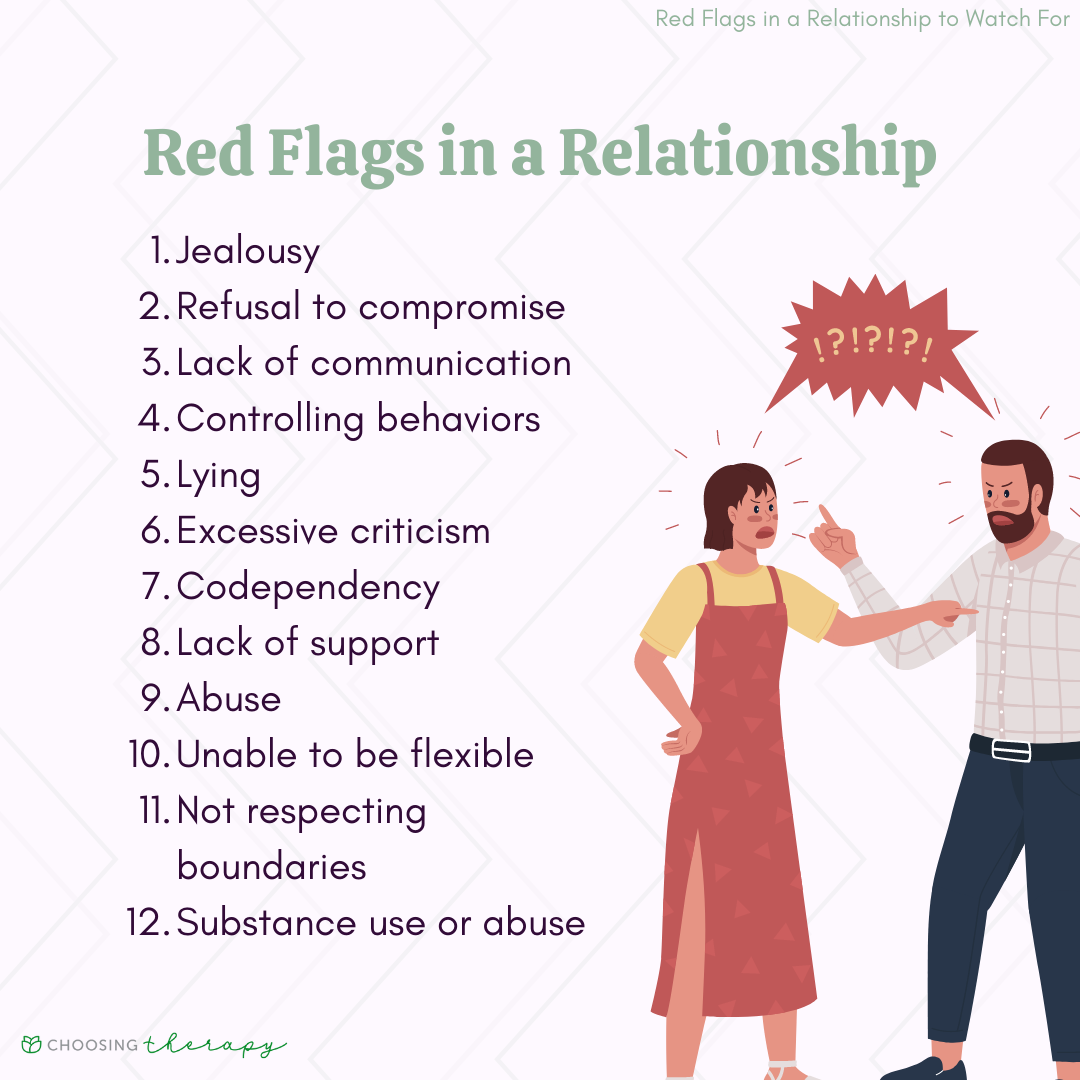
    The decision to reconcile with an ex is a complex one, fraught with potential pitfalls and the alluring promise of renewed connection. Before embarking on this path, a thorough and objective assessment of your former partner is crucial. This requires moving beyond rose-tinted memories and confronting the realities of the past relationship, identifying both the positive aspects and the deeply problematic ones. This article will outline key indicators â€" red flags and green lights â€" to guide your evaluation, enabling you to make an informed decision about the viability of reconciliation.

    Recognizing the Red Flags: Warning Signs of Incompatibility

    Red flags are significant warning signs that indicate fundamental incompatibility or unresolved issues that could derail a renewed relationship. Ignoring these signals can lead to repeated cycles of conflict and ultimately, another breakup. It's essential to approach these indicators with honesty and self-awareness.

    Patterns of Abusive Behavior

    This encompasses a wide range of behaviors, from verbal abuse and emotional manipulation to physical violence and controlling tactics. Any form of abuse is a definitive red flag and necessitates immediate and decisive action. Reconciliation is not an option in such cases; prioritizing your safety and well-being is paramount. Seeking support from friends, family, therapists, or domestic violence hotlines is crucial.

    Lack of Accountability and Responsibility

    Did your ex take ownership of their actions and mistakes during the previous relationship? Did they offer genuine apologies and demonstrate a commitment to change? A refusal to acknowledge their role in the relationship's downfall or a consistent pattern of blaming others points to a lack of self-awareness and maturity, hindering the possibility of a successful reconciliation.

    Unresolved Underlying Issues

    Addressing fundamental issues that contributed to the breakup is paramount. Were there unresolved conflicts related to communication styles, financial management, family dynamics, or differing life goals? If these core issues remain unaddressed, they will likely resurface and undermine any future relationship.

    Continued Negative Behaviors

    Consider whether your ex has made any genuine efforts to change negative behaviors that impacted your previous relationship. Did they continue to engage in substance abuse, infidelity, or other harmful patterns? If these behaviors persist, reconciliation is unlikely to yield positive results.

    Lack of Respect for Boundaries

    Did your ex respect your personal boundaries in the past? Did they disregard your feelings, opinions, or needs? A continued disregard for your boundaries indicates a lack of respect and consideration, which are essential components of any healthy relationship.

    Identifying the Green Lights: Promising Indicators of Compatibility

    Green lights are positive signs that suggest the potential for a successful reconciliation. However, the presence of green lights doesn't guarantee a happy ending; they should be viewed in conjunction with the absence of significant red flags.

    Genuine Self-Reflection and Growth

    Has your ex undertaken meaningful self-reflection since the breakup? Have they sought therapy, engaged in personal development activities, or taken steps to address the issues that contributed to the relationship's failure? Demonstrating a commitment to personal growth is a strong indicator of maturity and a willingness to work towards a healthier relationship.

    Open and Honest Communication

    Is your ex now able to communicate openly and honestly about their feelings and experiences? Can they engage in constructive conflict resolution? Open communication is the foundation of any healthy relationship, and its presence suggests a willingness to address challenges effectively.

    Demonstrated Empathy and Understanding

    Does your ex demonstrate empathy and understanding towards your feelings and perspectives? Are they willing to listen actively and acknowledge your experiences without defensiveness? Empathy and understanding are crucial for fostering mutual respect and compassion in a relationship.

    Willingness to Compromise and Collaborate

    Is your ex willing to compromise and collaborate to find solutions to disagreements? Can they approach conflict resolution with a spirit of cooperation rather than competition? A willingness to compromise is essential for navigating the inevitable challenges of any long-term relationship.

    Clear Demonstration of Changed Behavior

    Have you observed tangible changes in your ex's behavior that address the issues that led to the breakup? Have they consistently demonstrated these changes over a significant period? Consistent behavioral changes, rather than fleeting promises, are crucial indicators of genuine commitment to improvement.

    The Importance of Professional Guidance

    Navigating the complexities of reconciliation can be challenging. Seeking professional guidance from a therapist or counselor can provide valuable support and perspective. A therapist can help you objectively assess your ex's behavior, identify potential red flags, and develop healthy coping mechanisms to navigate this emotionally charged process. They can also assist in developing healthy communication strategies for rebuilding trust and fostering a stronger relationship if you choose to proceed.

    Conclusion: Making an Informed Decision

    Reconciling with an ex is a significant decision that requires careful consideration and a realistic assessment of your past relationship. By diligently identifying both the red flags and green lights, and seeking professional guidance when needed, you can make an informed decision that prioritizes your well-being and sets the stage for a healthier, more fulfilling future, whether that future includes your ex or not. Remember that your happiness and safety are paramount, and choosing to prioritize them is always the right decision.

    Ultimately, the decision rests solely with you. Weigh the evidence carefully, trust your instincts, and prioritize your well-being above all else.

    How to Celebrate Special Occasions with Your Ex as Friends

    How to Celebrate Special Occasions with Your Ex as Friends

    Navigating Special Occasions: Maintaining Amicable Relations with a Former Partner

    The dissolution of a romantic relationship does not necessitate the termination of all connection. For many, maintaining a friendship with an ex-partner is both desirable and achievable. However, navigating special occasions can present unique challenges. This article provides a comprehensive guide to gracefully celebrating holidays, birthdays, and other significant events with a former partner, fostering amicable relations and respecting the boundaries of both individuals.

    Understanding the Nuances of Post-Relationship Dynamics

    Before delving into specific strategies for celebrating occasions, it is crucial to acknowledge the diverse range of post-relationship dynamics. The level of comfort and communication between former partners will significantly influence the appropriate approach to shared celebrations. Factors such as the length of the relationship, the reason for its termination, and the amount of time elapsed since the breakup all contribute to the complexity of the situation. Some former couples may effortlessly transition into a platonic friendship, while others require a period of emotional distance and healing before any form of social interaction feels comfortable.

    Assessing the Relationship's Trajectory

    Honest self-reflection is paramount. Consider the circumstances surrounding the breakup. Was it amicable? Were there unresolved issues? A thorough assessment of these factors is essential in determining the feasibility and appropriateness of celebrating special occasions together. If the separation was acrimonious, characterized by significant conflict or betrayal, it may be more beneficial to prioritize individual healing and avoid shared celebrations until sufficient time has passed and emotional wounds have begun to mend. Conversely, if the breakup was amicable and mutual, the prospect of maintaining a friendly relationship and sharing special occasions may be more easily attainable.

    Establishing Clear Boundaries

    Regardless of the nature of the breakup, establishing clear and mutually agreed-upon boundaries is crucial for maintaining a healthy post-relationship friendship. These boundaries should address several key areas:

    • Frequency and type of contact: Determine the acceptable level of interaction outside of special occasions. This might involve establishing limits on phone calls, text messages, or social media interactions.
    • Emotional intimacy: Define the boundaries regarding emotional sharing. It is essential to acknowledge that emotional intimacy should remain at a platonic level, avoiding the temptation to revisit romantic aspects of the past relationship.
    • Physical proximity and touch: Physical contact should be limited to socially acceptable gestures, such as brief hugs or handshakes, avoiding anything that could be misinterpreted as romantic interest.
    • Discussions about the relationship: Establish clear guidelines regarding discussions about the past relationship. While it may be appropriate to reminisce about shared memories in a positive light, avoid dwelling on negative aspects or engaging in arguments or recriminations.

    Strategies for Celebrating Special Occasions

    Once boundaries have been established, planning shared celebrations requires careful consideration. The approach should be tailored to the specific occasion and the unique dynamics of the former couple's friendship.

    Birthdays

    Birthdays offer a straightforward opportunity to maintain contact. A simple phone call, a text message, or a thoughtful card can convey well wishes without requiring a face-to-face interaction if that feels uncomfortable. If a more substantial interaction is desired, consider a low-key, group setting with mutual friends to mitigate any awkwardness or romantic tension. Avoid intimate settings that might inadvertently evoke romantic feelings.

    Holidays

    Holidays can be more complex. Traditional holidays, often associated with family gatherings and romantic pairings, may be particularly challenging. Options include separate celebrations with respective families or friends, or a group gathering with mutual friends, ensuring that the atmosphere remains casual and platonic. Open communication is key to managing expectations and avoiding misunderstandings.

    Anniversaries

    Anniversaries present a unique challenge. These dates are inherently tied to romantic memories, and acknowledging them requires sensitivity. If acknowledging the anniversary feels appropriate, consider doing so in a non-celebratory way, perhaps with a simple acknowledgment of the date and a wish for the other person's well-being. Avoid lavish gestures or romantic displays.

    Other Significant Events

    Other significant events, such as graduations, job promotions, or significant life milestones, should be acknowledged in a manner commensurate with the nature of the event and the existing friendship. A thoughtful card, a small gift, or a brief congratulatory message is usually sufficient, especially in circumstances where a closer interaction might be perceived as intrusive.

    Maintaining Respect and Boundaries Throughout the Celebration

    Regardless of the chosen method of celebration, maintaining respect and adhering to established boundaries is essential for preserving the friendship. It is vital to remain mindful of the other person’s feelings and comfort level, and to avoid any actions that could be interpreted as romantic overtures or a breach of trust. Open and honest communication throughout the planning process and during the celebration itself can help avoid misunderstandings and maintain a positive atmosphere.

    Recognizing Discomfort and Adjusting Accordingly

    It is important to acknowledge that maintaining a friendship with an ex-partner may not always be easy. There may be moments of discomfort or awkwardness, particularly during emotionally charged occasions. If either party experiences discomfort during a celebration, it is crucial to communicate openly and honestly, adjusting the situation to ensure the comfort and well-being of both individuals. This might involve shortening the duration of the interaction, changing the location, or simply acknowledging the discomfort and agreeing to adjust plans for future occasions.

    Prioritizing Individual Well-being

    Ultimately, the decision of whether or not to celebrate special occasions with an ex-partner rests on individual comfort levels and priorities. It is crucial to prioritize one's own emotional well-being and to avoid situations that might cause undue stress or discomfort. If maintaining a friendly relationship with an ex-partner feels emotionally taxing or unsustainable, it is perfectly acceptable to prioritize individual healing and decline opportunities for shared celebrations.

    In conclusion, celebrating special occasions with an ex-partner as friends is possible but requires careful planning, open communication, and a commitment to maintaining healthy boundaries. By thoughtfully considering the nature of the relationship's end, establishing clear boundaries, and prioritizing emotional well-being, former partners can navigate these potentially delicate situations with grace and mutual respect.

    How to Cope with Loneliness After a Breakup

    How to Cope with Loneliness After a Breakup

    Conquering the Silence: Finding Yourself After a Breakup

    The silence after a breakup can be deafening. The absence of a familiar presence, the lack of shared laughter and inside jokes â€" it leaves a void that feels impossible to fill. Loneliness, a natural consequence of heartbreak, can feel overwhelming, leaving you adrift in a sea of sadness and self-doubt. But remember this: you are not alone in this experience, and you absolutely can navigate this challenging time and emerge stronger and more self-aware. This article provides actionable steps to help you cope with loneliness after a breakup and rebuild your life.

    Reconnect with Yourself: Rediscovering Your Identity

    Breakups often force us to confront our identity, especially if we’ve become deeply intertwined with our partner. This period presents a powerful opportunity for self-discovery. Actively engage in activities that bring you joy and fulfillment, independent of your relationship. Did you once love painting but stopped? Revisit that passion! Always wanted to learn the guitar? Now’s the time. Rediscovering hobbies and interests fosters a sense of self-worth and provides a healthy distraction from the emotional pain.

    Embrace the Power of Self-Care

    Prioritize self-care practices that nurture your physical and emotional well-being. This isn't about indulging in unhealthy coping mechanisms; it's about actively choosing actions that support your healing. Engage in regular exercise â€" it releases endorphins, improves mood, and boosts self-esteem. Nourish your body with healthy foods, ensuring you are giving it the fuel it needs to recover. Practice mindfulness through meditation or deep breathing exercises to calm your anxious thoughts and manage overwhelming emotions. Prioritize sleep; adequate rest is crucial for both physical and emotional recovery.

    Rebuild Your Social Connections: Expanding Your Support Network

    Isolation amplifies loneliness. Actively reach out to your support system â€" friends, family, and loved ones who care about you. Schedule time to spend with people who uplift you. Don’t hesitate to share your feelings; honest communication helps process your emotions and build stronger connections. If you find yourself struggling to connect with those closest to you, consider joining a club, taking a class, or volunteering â€" these activities offer opportunities to meet new people and build supportive relationships.

    Seek Professional Support When Needed

    It’s perfectly okay, and often beneficial, to seek professional support. A therapist can provide a safe space to process your emotions, develop healthy coping mechanisms, and gain a fresh perspective on your situation. They can help you identify negative thought patterns and develop strategies for building resilience. Don’t underestimate the power of professional guidance during this challenging time.

    Embrace the Future: Looking Ahead with Hope

    The pain of a breakup is temporary, even if it feels all-consuming right now. Focus on the future you want to create, independent of your past relationship. Set goals â€" both small, achievable ones and larger, long-term aspirations. Celebrating your accomplishments, no matter how small, builds momentum and reinforces your self-belief. Remember, this period of loneliness is an opportunity for growth and transformation. You are capable of navigating this, learning from it, and emerging stronger and more resilient than ever before. Embrace the journey of self-discovery, and trust in your ability to find happiness and fulfillment again.

    Remember Your Strengths

    Make a list of all your positive qualities and accomplishments. Review this list regularly to remind yourself of your inherent worth and capabilities. This conscious act of self-affirmation can significantly boost your self-esteem during a vulnerable time.

    You are stronger than you think. You will get through this.

    Wednesday, November 20, 2024

    Effective Ways to Attract Your Ex Once Again

    Effective Ways to Attract Your Ex Once Again

    Rekindling the Flame: Effective Strategies to Win Back Your Ex

    The sting of a breakup can be profound, leaving you yearning for a second chance. While there's no guaranteed formula for winning back an ex, employing thoughtful strategies can significantly improve your odds. This isn't about manipulation; it's about demonstrating genuine growth and understanding, offering a fresh perspective on the relationship that might entice your former partner to reconsider. Remember, ultimately, the decision rests with them, but taking proactive, respectful steps can make all the difference.

    Reflect and Understand the Breakup

    Before reaching out, engage in thorough self-reflection. Analyze the reasons behind the breakup honestly and objectively. Avoid assigning blame entirely to your ex; identify your contributions to the relationship's demise. Did communication falter? Did you neglect their needs? Did unresolved conflicts fester? Pinpointing your shortcomings allows you to address them proactively and show your ex you've learned from the past. This self-awareness is crucial; it demonstrates maturity and a willingness to changeâ€"qualities highly attractive in a potential partner.

    Identifying Your Role in the Relationship's Failure

    Create a detailed list of the issues that contributed to the breakup. Be specific. Instead of writing "poor communication," detail specific instances where communication broke down. For example: "Failed to listen actively during arguments," or "Avoided difficult conversations." This level of introspection allows you to craft a more meaningful apology and demonstrate tangible changes you've made. Remember, focusing solely on your ex's flaws will likely backfire.

    Show Genuine Growth and Change

    Actions speak louder than words. Simply stating you've changed isn't enough; you must demonstrate it through consistent behavior. If communication was a problem, actively work on your listening skills. Consider taking a communication course or seeking therapy to address underlying issues. If you were neglectful of your ex's needs, actively prioritize those needs in other aspects of your life, showing you value the qualities you previously overlooked. These demonstrable changes are far more persuasive than empty promises.

    Demonstrating Positive Change

    • Engage in self-improvement activities: Join a gym, learn a new skill, pursue a hobby â€" anything that shows you're prioritizing personal growth.
    • Seek professional help: Therapy can be incredibly beneficial in addressing personal issues and improving relationship dynamics.
    • Connect with friends and family: Show your ex you have a supportive network and aren't solely focused on them.

    Reach Out Respectfully and Strategically

    After demonstrating genuine change, reaching out should be done with caution and respect. Avoid bombarding your ex with messages or calls. A simple, sincere text message expressing your desire to reconnect might suffice initially. Focus on expressing your remorse for past mistakes and your willingness to make amends. Avoid pleading or making grand promises; instead, express your desire to discuss things calmly and maturely. Suggest meeting in a neutral, public setting to minimize pressure and ensure mutual comfort.

    Crafting a Meaningful Message

    Avoid: "I miss you," "Please take me back," or accusatory statements. Instead, try: "I've been doing a lot of thinking, and I'd like to apologize for [specific mistake]. I value what we had, and if you're open to it, I'd like to talk about things calmly sometime." This approach demonstrates maturity and self-awareness, increasing the likelihood of a positive response.

    Respect Their Decision

    Ultimately, your ex has the right to choose their path. Respect their decision, whether it's to reconcile or move on. Attempting to force or manipulate them will only damage any remaining chances of a positive outcome. Accepting their choice gracefully demonstrates maturity and self-respect, even if it's not the outcome you hoped for. Focus on your own well-being and personal growth, regardless of their decision. Remember, your happiness shouldn't be entirely dependent on rekindling a past relationship.

    When to Let Go: Signs You Need to Move On

    When to Let Go: Signs You Need to Move On

    When to Let Go: Signs You Need to Move On

    Holding on, whether to a relationship, a job, or a dream, can feel safer than facing the unknown. But clinging to something that no longer serves you is like wearing shoes that are two sizes too small â€" uncomfortable, restrictive, and ultimately damaging. Recognizing when to let go is a crucial skill for personal growth and well-being. This isn't about giving up; it's about making space for something better. This article will provide clear signs indicating it's time to move on and embrace a brighter future.

    Relationships: When the Connection Fades

    Romantic relationships often face challenges, but persistent negativity signals a deeper problem. Don't mistake temporary disagreements for insurmountable obstacles, but pay close attention to consistent patterns. Constant arguing, a lack of respect, or feeling consistently unheard are major red flags. Consider the overall emotional toll; do you feel drained and unhappy more often than joyful and supported? A healthy relationship fosters growth and mutual support; if yours consistently leaves you feeling depleted, it might be time to let go, even if it's incredibly painful.

    Identifying Toxic Patterns

    Toxic relationships often involve manipulation, control, or emotional abuse. If you find yourself constantly walking on eggshells, fearing your partner's reactions, or constantly apologizing for their behavior, this is a significant warning sign. These patterns are rarely resolved without professional intervention, and often, the best course of action is to prioritize your own well-being and safety by leaving the relationship.

    Careers: Stagnation and Unfulfillment

    Feeling stuck in a rut at work can manifest in various ways. Lack of growth opportunities, feeling undervalued by your superiors, or experiencing persistent boredom are all indicators that your current career path may not align with your long-term goals. Consider whether you're actively learning and developing new skills. If your current role feels stagnant, hindering your professional advancement, explore other possibilities. Don't let fear of the unknown paralyze you; embrace the challenge of finding a job that truly excites and engages you.

    Recognizing the Signs of a Toxic Workplace

    Beyond personal fulfillment, consider the overall work environment. Is it toxic? Do you experience constant stress, negativity, or bullying from colleagues or superiors? A hostile work environment can severely impact your mental and physical health. Prioritizing your well-being often means making the difficult decision to leave a toxic workplace, even if it means facing a period of uncertainty.

    Personal Goals: When Dreams Turn Sour

    Sometimes, we cling to goals that no longer resonate with our values or aspirations. This might be a career path you once envisioned but now find unfulfilling, or a personal project that's draining your energy without providing the expected reward. It's crucial to regularly evaluate your goals and ask yourself: Does this still align with my current self? Does pursuing this still bring me joy and fulfillment? If the answer is consistently no, it's time to acknowledge that it's okay to shift course and redirect your energy towards something more meaningful.

    Re-evaluating Priorities and Setting New Goals

    Letting go of a goal doesn't mean admitting failure; it's about recognizing that circumstances change, and our priorities evolve. Use the lessons learned from pursuing that goal to inform new aspirations. This could involve completely abandoning the initial goal, modifying your approach, or setting entirely new goals aligned with your current values and capabilities.

    The Importance of Self-Compassion

    Letting go is rarely easy. It involves accepting discomfort, uncertainty, and possibly even grief. Practice self-compassion throughout this process. Acknowledge your feelings, allow yourself time to process emotions, and celebrate the courage it takes to make difficult decisions that prioritize your well-being. Remember, letting go is not about weakness; it's about strength, resilience, and creating space for a more fulfilling life.

    Ultimately, knowing when to let go requires honest self-reflection and a willingness to embrace change. By paying attention to the signs, you can make conscious choices that lead to a happier, healthier, and more purposeful life.

    Getting Back with an Ex After No Contact: What Works

    Getting Back with an Ex After No Contact: What Works

    Getting Back with an Ex After No Contact: What Actually Works

    Okay, so you've gone no contact with your ex. You’ve swallowed your pride, resisted the urge to text, and successfully avoided their social media. Now, the big question: how do you navigate getting back together after all that silence? Let's be real, there's no magic spell, no guaranteed formula. But there are definitely things that significantly increase your chances, and things that are absolute relationship kryptonite. Let's dive in.

    Why No Contact Works (Or Doesn't)

    Before we jump into the "how," let's quickly address the "why." No contact isn't about making your ex jealous or punishing them. It's about giving *you* space to heal, reflect, and reassess the relationship. It also gives your ex space to miss you (yes, really!). When you're constantly in contact, the flaws and issues often overshadow the good times. No contact allows those positive memories to resurface in their mind, unburdened by the daily drama.

    However, no contact isn't a guaranteed win. If the relationship was fundamentally toxic or abusive, no contact might be necessary for your well-being, but it doesn't automatically mean reconciliation. Sometimes, it's the final step in letting go.

    Reapproach with Intention: The First Steps

    So, you've completed your no-contact period (and hopefully, you’ve worked on yourself during that time!). Now comes the tricky part: re-establishing contact. Don't jump in with both feet. Think of it as carefully placing your toes in the water before diving in.

    The Casual Reapproach

    Forget grand gestures. Start small. A simple, casual text is usually best. Avoid anything that sounds desperate or overly apologetic. Think: "Hey, how are you doing? I saw [mutual friend/shared interest] the other day and it made me think of you." Keep it light, friendly, and non-accusatory. The goal here is to gauge their response. Are they receptive? Do they respond in kind? If the response is cold or dismissive, respect that and back off again. Sometimes, no contact leads to a clean break, and that's okay too.

    Assessing Their Response

    Their response tells you a lot. A warm, friendly reply suggests they might be open to reconnecting. A short, curt response suggests they need more time or aren't interested. A non-response? That's a clear sign you need to respect their space and move on. Don't read too much into it â€" sometimes people are just busy. But if you've waited a reasonable amount of time and still haven't heard back, it's time to accept the possibility that they're not interested in reconciliation.

    The Art of the Conversation: Reconnecting Deeply

    If the initial contact is positive, the next step is to have a genuine conversation. This isn't about convincing them to get back together; it's about reconnecting as people. Focus on listening as much as talking. Ask them about their life, their interests. Show genuine interest in what they have to say. This shows respect and demonstrates that you value them as an individual, not just a romantic partner.

    Addressing the Past (Carefully)

    Inevitably, the conversation will turn to the reasons for the breakup. Approach this with sensitivity and honesty. Take responsibility for your role in the breakup, but avoid excessive apologizing or self-flagellation. Focus on what you’ve learned and how you’ve grown since the split. Show them you understand their perspective and that you’re willing to work on yourselves â€" as individuals and as a potential couple.

    Setting Realistic Expectations

    This is crucial. Don't expect things to magically go back to how they were before. The relationship has changed, you’ve changed, and so has your ex. Rebuilding trust and intimacy takes time and effort. Be patient and understanding. If they seem hesitant or unsure, give them the space they need. Pressuring them will only push them further away.

    Knowing When to Walk Away

    Despite your best efforts, sometimes getting back together just isn't meant to be. Recognize the signs that it's time to move on. If your ex consistently avoids communication, is dismissive of your feelings, or seems unwilling to address the issues that led to the breakup, it’s a clear indicator that reconciliation is unlikely. Holding on to a relationship that isn't working is detrimental to your well-being. It's okay to accept that sometimes, the best thing is to move on and find happiness elsewhere.

    Maintaining Momentum After Reconnection

    If you do successfully reconnect and decide to give the relationship another shot, remember that it's a brand new start. You need to actively work at building a stronger, healthier relationship than you had before. This might involve couples counseling, open communication, and a conscious effort to address past issues and avoid repeating old patterns.

    Remember: It's not about winning your ex back; it's about rebuilding a healthy relationship based on mutual respect, understanding, and commitment. If either of those is missing, it’s unlikely to last long term.

    Commonly Asked Questions

    • How long should I wait for no contact? There's no magic number. It depends on the length and severity of the relationship and the reason for the breakup. Generally, 30-60 days is a good starting point, but it could be longer or shorter depending on your circumstances.
    • What if my ex is dating someone new? This makes reconciliation much more difficult, but not impossible. Focus on yourself, and if they’re genuinely interested in reconnecting, they’ll likely let you know.
    • What if I accidentally contact my ex during no contact? It happens! Don't beat yourself up about it. Just apologize sincerely and try to get back on track with the no-contact period.
    • Should I apologize for everything? Take responsibility for your actions, but don't overdo it. Excessive apologizing can seem insincere or desperate.
    • Should I tell them I miss them? While it’s okay to express your feelings authentically, avoid overtly emotional statements, especially early on. Focus on building a connection and showing your growth.
    • What if they don't want to get back together? Accept their decision. It’s important to respect their feelings, even if it hurts. This is a chance for you to move on and focus on your personal growth.