Red Flags and Green Lights: Assessing Your Ex's Potential for a Reconciled Relationship
The decision to reconcile with an ex is a complex one, fraught with potential pitfalls and the alluring promise of renewed connection. Before embarking on this path, a thorough and objective assessment of your former partner is crucial. This requires moving beyond rose-tinted memories and confronting the realities of the past relationship, identifying both the positive aspects and the deeply problematic ones. This article will outline key indicators â€" red flags and green lights â€" to guide your evaluation, enabling you to make an informed decision about the viability of reconciliation.
Recognizing the Red Flags: Warning Signs of Incompatibility
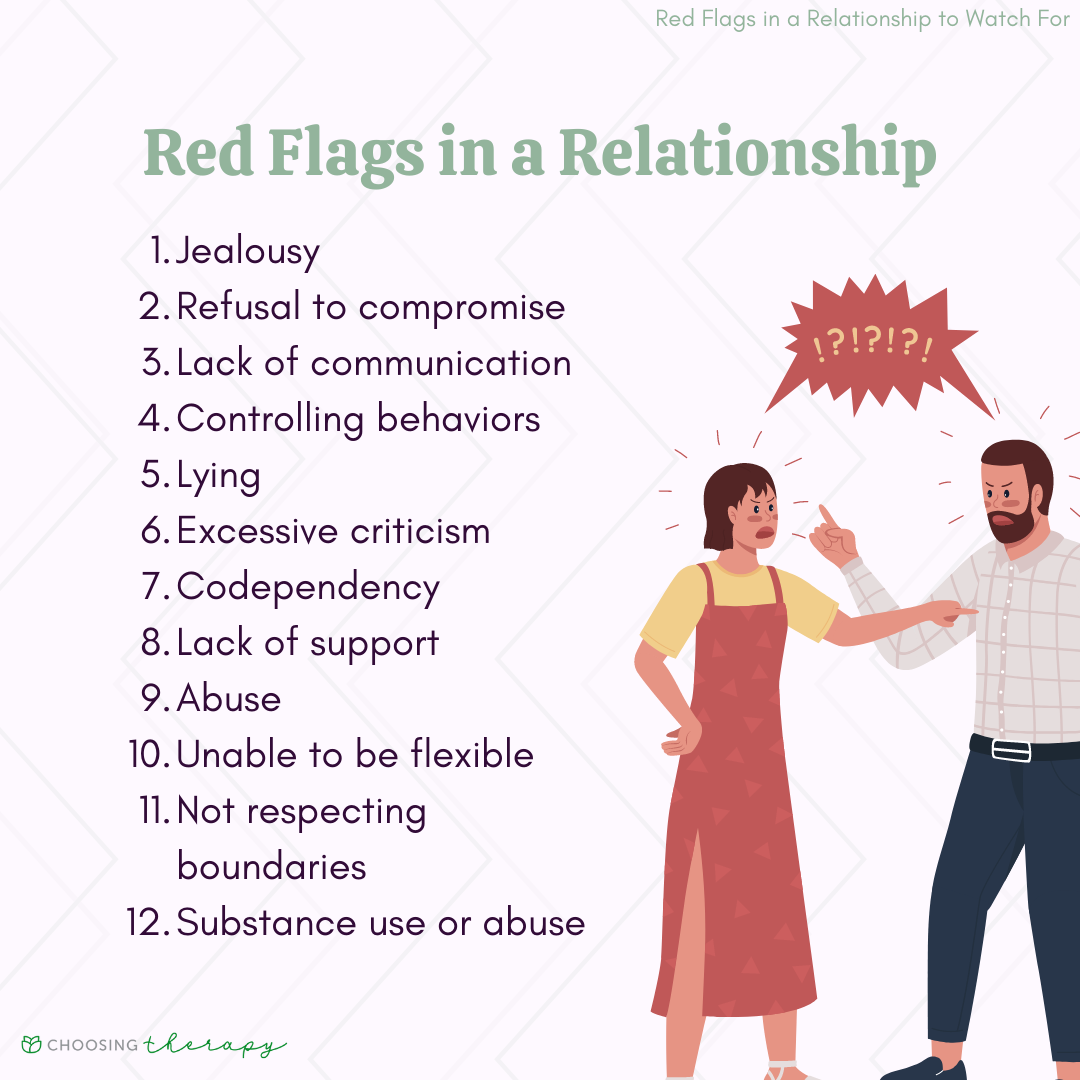
Red flags are significant warning signs that indicate fundamental incompatibility or unresolved issues that could derail a renewed relationship. Ignoring these signals can lead to repeated cycles of conflict and ultimately, another breakup. It's essential to approach these indicators with honesty and self-awareness.
Patterns of Abusive Behavior
This encompasses a wide range of behaviors, from verbal abuse and emotional manipulation to physical violence and controlling tactics. Any form of abuse is a definitive red flag and necessitates immediate and decisive action. Reconciliation is not an option in such cases; prioritizing your safety and well-being is paramount. Seeking support from friends, family, therapists, or domestic violence hotlines is crucial.
Lack of Accountability and Responsibility
Did your ex take ownership of their actions and mistakes during the previous relationship? Did they offer genuine apologies and demonstrate a commitment to change? A refusal to acknowledge their role in the relationship's downfall or a consistent pattern of blaming others points to a lack of self-awareness and maturity, hindering the possibility of a successful reconciliation.
Unresolved Underlying Issues
Addressing fundamental issues that contributed to the breakup is paramount. Were there unresolved conflicts related to communication styles, financial management, family dynamics, or differing life goals? If these core issues remain unaddressed, they will likely resurface and undermine any future relationship.
Continued Negative Behaviors
Consider whether your ex has made any genuine efforts to change negative behaviors that impacted your previous relationship. Did they continue to engage in substance abuse, infidelity, or other harmful patterns? If these behaviors persist, reconciliation is unlikely to yield positive results.
Lack of Respect for Boundaries
Did your ex respect your personal boundaries in the past? Did they disregard your feelings, opinions, or needs? A continued disregard for your boundaries indicates a lack of respect and consideration, which are essential components of any healthy relationship.
Identifying the Green Lights: Promising Indicators of Compatibility
Green lights are positive signs that suggest the potential for a successful reconciliation. However, the presence of green lights doesn't guarantee a happy ending; they should be viewed in conjunction with the absence of significant red flags.
Genuine Self-Reflection and Growth
Has your ex undertaken meaningful self-reflection since the breakup? Have they sought therapy, engaged in personal development activities, or taken steps to address the issues that contributed to the relationship's failure? Demonstrating a commitment to personal growth is a strong indicator of maturity and a willingness to work towards a healthier relationship.
Open and Honest Communication
Is your ex now able to communicate openly and honestly about their feelings and experiences? Can they engage in constructive conflict resolution? Open communication is the foundation of any healthy relationship, and its presence suggests a willingness to address challenges effectively.
Demonstrated Empathy and Understanding
Does your ex demonstrate empathy and understanding towards your feelings and perspectives? Are they willing to listen actively and acknowledge your experiences without defensiveness? Empathy and understanding are crucial for fostering mutual respect and compassion in a relationship.
Willingness to Compromise and Collaborate
Is your ex willing to compromise and collaborate to find solutions to disagreements? Can they approach conflict resolution with a spirit of cooperation rather than competition? A willingness to compromise is essential for navigating the inevitable challenges of any long-term relationship.
Clear Demonstration of Changed Behavior
Have you observed tangible changes in your ex's behavior that address the issues that led to the breakup? Have they consistently demonstrated these changes over a significant period? Consistent behavioral changes, rather than fleeting promises, are crucial indicators of genuine commitment to improvement.
The Importance of Professional Guidance
Navigating the complexities of reconciliation can be challenging. Seeking professional guidance from a therapist or counselor can provide valuable support and perspective. A therapist can help you objectively assess your ex's behavior, identify potential red flags, and develop healthy coping mechanisms to navigate this emotionally charged process. They can also assist in developing healthy communication strategies for rebuilding trust and fostering a stronger relationship if you choose to proceed.
Conclusion: Making an Informed Decision
Reconciling with an ex is a significant decision that requires careful consideration and a realistic assessment of your past relationship. By diligently identifying both the red flags and green lights, and seeking professional guidance when needed, you can make an informed decision that prioritizes your well-being and sets the stage for a healthier, more fulfilling future, whether that future includes your ex or not. Remember that your happiness and safety are paramount, and choosing to prioritize them is always the right decision.
Ultimately, the decision rests solely with you. Weigh the evidence carefully, trust your instincts, and prioritize your well-being above all else.
0 comments:
Post a Comment
Note: Only a member of this blog may post a comment.